Tuesday, August 5, 2014

Moving video and panel on the opiod addiction epidemic, with policy options to address the problem


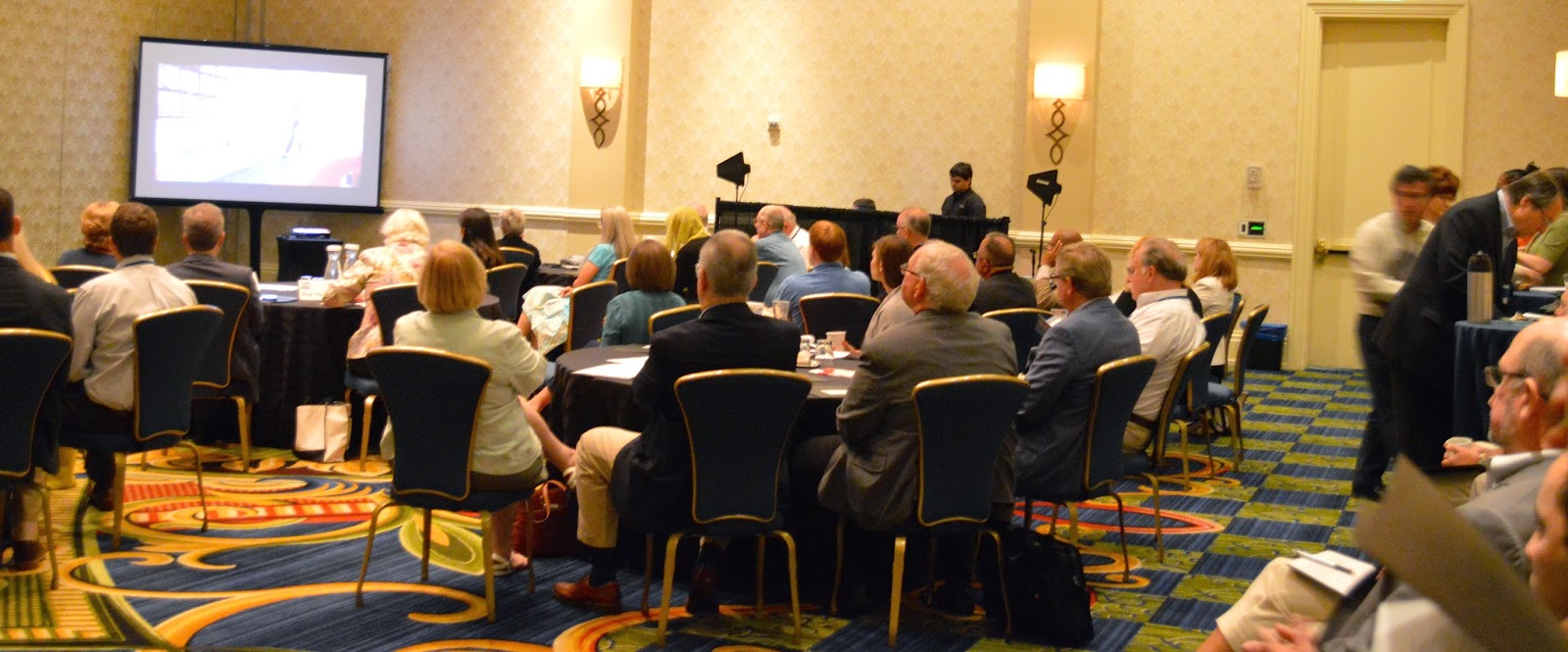
This morning’s standing-room-only panel at CSG/ERC's annual meeting in Baltimore on the epidemic of opiod addiction combined emotion with constructive options for policymakers. We first watched part of The Hungry Heart, a movie about the rising toll of addiction on rural communities and heard from a former addict and a physician from the movie. The stories of wrecked lives were heartbreaking. We then heard from CEPAC experts who described their recent report on the effectiveness of various treatment options, (medication vs. inpatient) and the need to expand treatment capacity. They estimate that every dollar spent on opiod addiction treatment generates $2 in savings – medical costs, corrections, and social costs. CEPAC estimates that there are about 130,000 opiod addicts in New England alone, but only 30% are receiving treatment. If we could get half the untreated population into effective treatment, the region could save 700 lives and $3 billion. They included concrete recommendations for policymakers that could improve access and lower barriers to effective treatment and highlighted successful programs from the region.

Monday, August 4, 2014

CSG/ERC panel on Medicaid innovations


Today’s health committee meeting at the CSG/ERC annual meeting in Baltimore featured updates from NY and CT about what is working in state Medicaid programs, and an update from CMMI on what’s next for the State Innovation Model program. Sen. Terry Gerratana moderated the panel that included Asm. Richard Gottfried (NY), Olivia Puckett (MAPOC) and Clare Wrobel (CMMI).  Asm. Gottfried described NY’s Medicaid program that covers 5 million people and spends over $50 billion each year. 92% of children and adults and 43% of seniors and people with disabilities were in a managed care plan last year. Now NY is planning to expand managed care further with delivery system reforms and a fund to protect safety net providers. Olivia Puckett described CT’s Medicaid innovations including the successful person-centered medical home, Intensive Care Management, OB Pay for Performance, and dental health programs. Clare Wrobel described the SIM grant goals to help states use their levers and engage across payers and programs to improve population health, transform health care delivery and expand value-based payment models. She described the work of the six current test grant states – VT, AR, ME, MA, OR, and MN. She also described some themes from the Model Design and Pre-Test State SIM plans and CMS’s process for awarding Test Grants in the next round. All speakers echoed Clare’s last take-away message – it’s a long journey; this is just the beginning.

Friday, August 1, 2014

CA’s exchange keeps coverage affordable through negotiation

Premiums on California’s exchange will rise only 4.2% next year, due in large part to active purchasing. Overall health spending is expected to rise 6.2% next year. Through active purchasing, CA’s exchange negotiates premiums with insurers to get the best deal for consumers. Connecticut’s exchange does not negotiate premiums on behalf of consumers. CT’s insurance department has pushed back on double digit requested increases by insurers on the exchange, but the exchange itself does not address rates or affordability. Premiums on CT’s exchange this year are the 4th highest in the nation and the highest among state-based exchanges.

Thursday, July 31, 2014

CT health reform progress dips to 28%


CT lost ground in progress toward health reform according to the August CT Health Reform Dashboard. The state moved backward to 28% completion mainly due to the new SIM/Medicaid plan that has drawn concerns from many stakeholders, less transparent policymaking, and concerns that a federal grant is driving health policy choices. Progress on patient-centered medical homes was mixed with improvement by reaffirming national standards, balanced by re-direction of glide path funding to support Medicaid shared savings.

Tuesday, July 29, 2014

New SIM under service survey -- please help protect consumers

The SIM Equity and Access Committee is working to develop a monitoring system for inappropriate underservice as CT’s health system moves toward shared savings payment models. Underservice can be denial of appropriate care, limiting expensive treatment options, limiting access to certain providers, avoidance of consumers that may not generate savings, or cost shifting to consumers. Limits may be complete denial of treatment, offering only some treatment options, or limiting the scope/duration/frequency of treatment. While inappropriate underservice occurs now, especially in the Medicaid program, it is possible that shared savings incentives will encourage the problem. To protect consumers, the SIM plan includes a principle denying shared savings payments that were generated by systemic, inappropriate underservice.


Development of a robust monitoring system for undertreatment is crucial to protecting consumers as Connecticut reforms our health care payment systems. The Equity and Access Committee is seeking input for our task. To collect input, the CT Health Policy Project has developed a short survey to help us collect measures of likely underservice to share with the rest of the committee. Please take a few minutes to complete the survey. Even if you participated in our last survey, please also fill out this one. If you have any questions, contact Ellen Andrews at andrews@cthealthpolicy.org.

Monday, July 28, 2014

Public forum tonight about St. Mary’s Hospital purchase and for-profit conversion

At 5pm tonight there will be a public forum at St. Mary’s Hospital’s Conference Center Auditorium about plans to sell the hospital to Tenet Healthcare Corp. Tenet is a for-profit hospital chain based in Dallas with hospitals and clinics in 16 states. Tenet plans to purchase five CT hospitals, including nearby Waterbury Hospital, and create a strong financial relationship with Yale-New Haven. Advocates and labor representatives have raised serious concerns about for-profit health care in CT and about Tenet specifically. The state passed legislation this year making it easier for non-profit hospitals to convert to for-profit status.

Thursday, July 24, 2014

Value over Volume 2.0 – twenty three tools for state policymakers to improve quality and control costs

Health care costs consume nearly a quarter of state budgets, and that share is rising at a rate that policymakers agree is unsustainable. Evidence shows that our runaway spending is not driving improved quality, and that lasting reform will require a shift from a volume-based system to one based on value.  The good news is that states are on the cutting edge of a transformation in how we pay for health care, with potentially far-reaching impacts at home and in the broader market.  
These innovations are documented in Value Over Volume 2.0, a new report from the CSG/ERC Health Policy Committee, which provides twenty three new tools to help policymakers build on their progress. The tools are concrete policy options being used successfully by states and other payers to control rising health costs while enhancing the effectiveness of care.
“This is a must-read for anyone working in health care policy today. Each topic discussed is a road map to where we need to go after federal reform,” said Connecticut State Senator Terry Gerratana, co-chair of the legislature’s Public Health Committee, and co-chair of CSG/ERC’s Health Policy Committee.
As the leading payers and regulators of health care, states have unique levers to reform health payment for both state spending and the larger market. Value Over Volume 2.0 follows up on CSG/ERC research released four years ago introducing state policymakers to payment reforms.